43 Missing Children Located in Westchester During Coordinated Three-Day Operation — What Parents Should Know
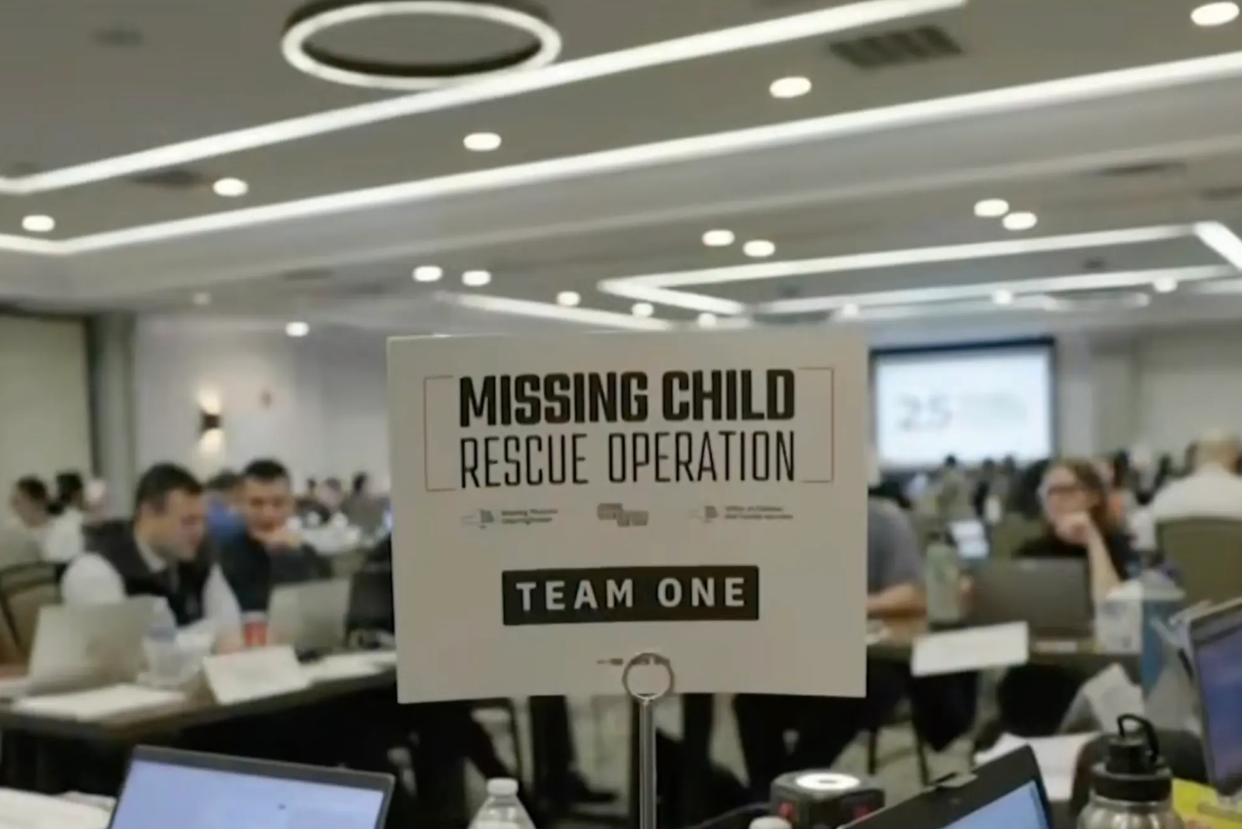
In just three days, authorities located 43 missing and runaway children from Westchester County during an intensive, multi-agency operation led by the New York State Division of Criminal Justice Services.
The coordinated effort brought together approximately 70 federal, state, county, and local agencies, along with nonprofit partners, all working side by side out of a hotel in Mount Kisco. By centralizing investigators, child services experts, and digital specialists in one location, officials were able to streamline communication and act quickly.
The operation focused on five Westchester communities that have experienced a high number of missing child reports: Dobbs Ferry, Mount Pleasant, Mount Vernon, White Plains, and Yonkers. Agencies involved included the New York State Office of Children and Family Services, state and local law enforcement departments, the National Child Protection Task Force, and other public and private partners.
State Police Superintendent Steven James emphasized the urgency behind these efforts, noting that when a child goes missing, the risks can escalate quickly. Officials described the operation as part of an ongoing commitment to protect vulnerable children and strengthen collaboration across agencies.
While the successful recovery of 43 children is encouraging, the operation serves as a reminder for families to proactively prepare children for emergencies.
If Your Child Gets Lost: Safety Tips Every Family Should Review
Teaching children what to do if they become separated from a parent can make a critical difference.
Here are essential guidelines to practice together:
Be loud — and use a name. Encourage your child not to simply yell “Mom!” or “Dad!” In a crowded place, many adults may respond to that. Instead, they should loudly say: “I’m lost! I’m looking for [parent’s first name]!” This makes it clear they need help and gives responders useful information immediately.
Stay where you are. Children’s instinct may be to wander in search of a parent, but movement can make separation worse. If they’re in a stationary location (store, park, mall), they should stay put. If they’re on public transportation like a subway or train, teach them to get off at the very next stop and wait there. Remaining in one place increases the chances of being found quickly.
Know who to approach. Teach children that not all adults are the right people to ask for help. Safe options include: A uniformed employee (police officer, security guard, transit worker), a store worker with a name tag, or parent with a stroller or children. Having specific guidance prevents children from randomly approaching strangers.
Memorize one phone number. If your child is old enough, have them memorize at least one emergency contact number. You can also consider placing a small card with your phone number and emergency details in their backpack or jacket. Consider using tracking devices (such as an AirTag placed securely in a backpack or coat). Make sure children know how to ask to borrow a phone in an emergency.
Teach calmness and reassurance. Children should know that if they are ever separated, their parent will be actively looking for them. Reinforce this message: “If we get separated, stay calm. I will come find you.” Confidence and calm decision-making are powerful tools in stressful situations.
What’s the Legal Age to Leave a Child Home Alone in New York?
Many parents wonder about the legal guidelines around leaving children home alone.
Unlike some states, New York does not set a specific minimum legal age for leaving a child unsupervised. According to the New York State Office of Children and Family Services, children mature at different rates. Because of that, parents and guardians are responsible for making thoughtful, informed decisions.
When deciding whether a child is ready, consider:
Maturity: Has your child demonstrated responsibility and good judgment?
Preparedness: Do they know what to do in an emergency? Can they prepare simple food safely?
Circumstances: How long will they be alone? What is the environment like?
Very young children should never be left unsupervised.
Although there is no fixed legal age in New York, parents can still face serious consequences — including potential child endangerment charges — if a child is harmed while left home alone.
Safe Kids Worldwide suggests that most children are ready to stay home alone around age 12 or 13, depending on maturity. However, readiness varies widely from child to child.
A Reminder for Parents
The recovery of 43 children in just three days highlights both the risks children face and the power of coordinated action. It also underscores the importance of prevention, preparation, and communication at home.
Conversations about safety should not be fear-based — they should be empowering. Teaching children simple, clear steps gives them confidence and gives parents peace of mind.
Preparation doesn’t mean expecting the worst. It means being ready — just in case.
